Winter driving in Nebraska is genuinely dangerous, and Omaha roads take some of the hardest hits each season. If you have been hurt in a crash caused by ice, snow, or fog, understanding what actually caused the wreck matters, as does speaking with an attorney to help sort through the details. Weather does not excuse careless driving, and knowing which conditions lead to the most serious crashes can help you understand your rights.
Which Winter Road Conditions Cause the Most Omaha Car Accidents?
Nebraska winters are unpredictable. Temperatures can drop sharply overnight, and a road that seemed safe at noon can turn treacherous by rush hour. Below are the five road conditions that contribute most heavily to winter car accidents across Omaha.
Black Ice on Surface Streets and Highways
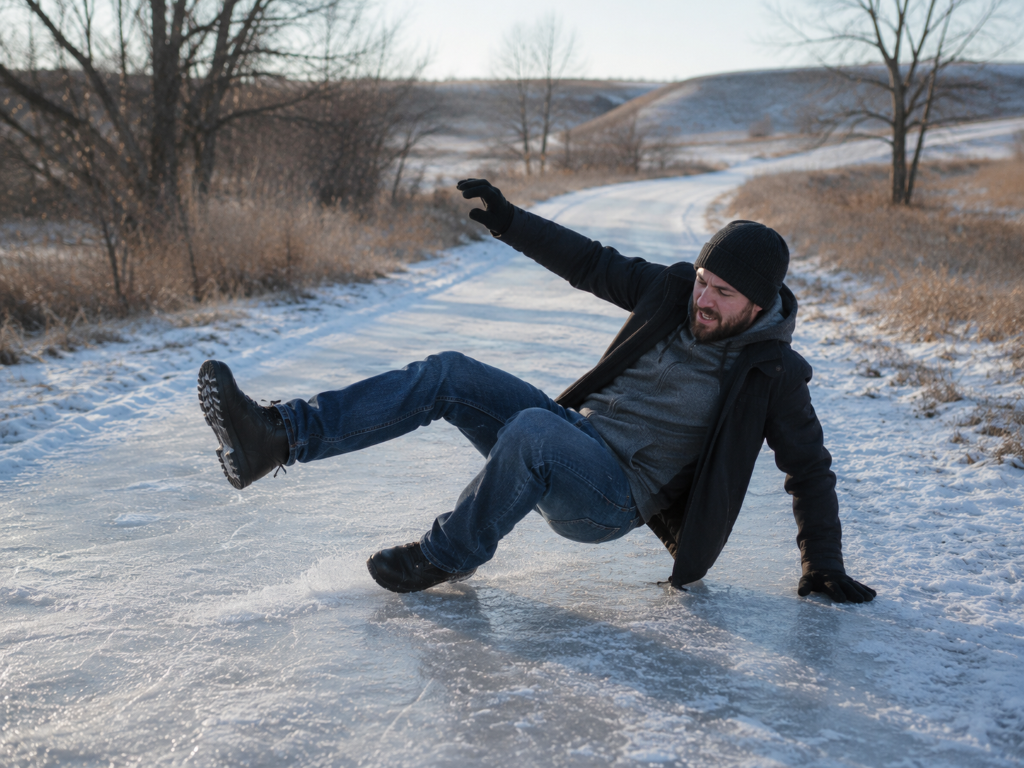
Black ice is one of the most dangerous winter road hazards because it is nearly invisible. It forms when moisture freezes on pavement, creating a thin, transparent layer that looks just like a wet road. Drivers often do not realize the surface is slick until they have already lost control.
In Omaha, black ice appears most often after freezing rain, when temperatures hover right around 32 degrees, and in the early morning hours before the sun warms the pavement. Surface streets, highway ramps, and shaded areas beneath trees or overpasses are common hotspots. Crashes involving black ice tend to be severe because drivers don’t brake or slow down before impact.
Packed Snow and Ruts
When snow isn’t cleared quickly, traffic packs it down into a hard, uneven surface. Deep ruts form in the lanes, and steering becomes unpredictable. A vehicle can get pulled sideways if its tires drop into a rut at the wrong angle.
Nebraska accidents often include this kind of gradual buildup rather than one dramatic storm event. Omaha public works crews prioritize clearing major roads, but residential streets, parking lot exits, and side roads can remain packed for days. Drivers who underestimate those conditions put everyone around them at risk.
Heavy Snow and Reduced Visibility
Blizzard conditions and heavy snowfall do not just make roads slippery. They also dramatically reduce how far a driver can see. In a whiteout, headlights reflect off falling snow, and visibility can drop to just a few feet.
High-speed roads like Interstate 80 and Interstate 680 around Omaha become especially dangerous during heavy snow. Drivers may slow down but still fail to keep a safe following distance for the conditions. Chain-reaction crashes involving multiple vehicles are more common during these events than during any other type of winter road hazard.
Freezing Rain and Ice Storms
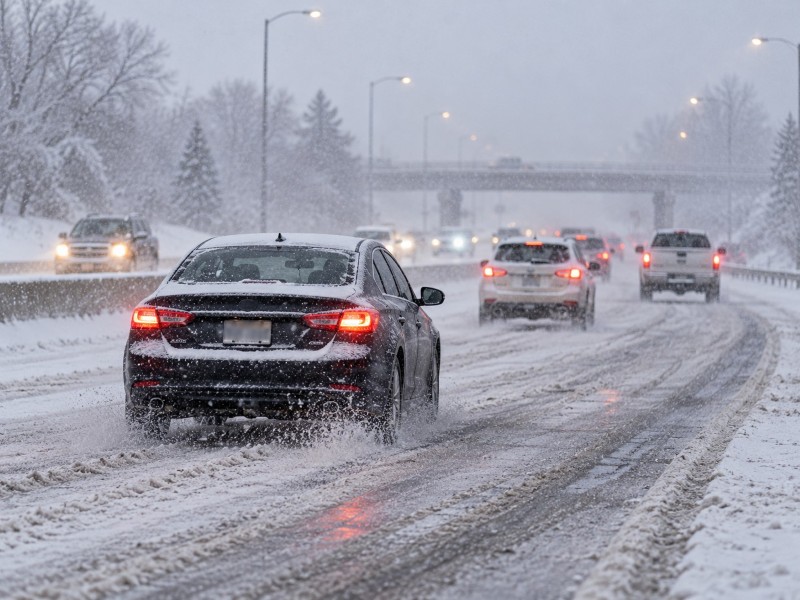
Freezing rain is different from regular rain because it freezes on contact with cold surfaces. In a short period, an ice storm can coat every surface with a solid layer of ice, including roads, guardrails, and vehicle windshields.
Nebraska sees several significant ice storms each winter season. These events create near-zero traction conditions across the entire road surface, not just in patches. Even cautious drivers can lose control, and the resulting crashes are often high-impact because stopping distances increase dramatically on ice. We’ve seen how these events lead to some of each year’s most complex accident cases.
Dense Fog and Limited Visibility
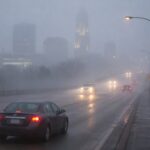
Fog might not seem as dramatic as a blizzard, but it accounts for a significant share of Nebraska accidents during winter. Dense fog forms when warmer, moist air moves over cold ground or snow-covered surfaces, which is a common pattern in the Omaha area during late fall and early winter.
When fog is thick enough to reduce visibility to less than a quarter mile, highway driving becomes especially risky. Drivers who don’t reduce speed or use their headlights properly create serious hazards for everyone on the road.
How Do Bridges and Overpasses Become Deadly in Cold Weather?
Bridge ice accidents are a category of their own when it comes to winter driving risk. The phrase “bridge freezes before road surface” appears on warning signs for a reason. Understanding why bridges ice up faster helps explain why overpass car wrecks happen even when nearby roads seem clear.
Why Bridges Lose Heat Faster Than Roads
Regular road surfaces sit on top of soil, which retains some warmth from the ground below. A bridge, by contrast, is surrounded by cold air on all sides, including underneath. Heat leaves the surface much faster, and the pavement reaches freezing temperatures before the surrounding roads do.
In Omaha, bridges over the Missouri River, elevated highway ramps, and pedestrian overpasses all carry this same risk. A driver coming off a clear stretch of road onto a bridge can hit ice without any warning. Reaction time is not always enough to avoid a crash.
Common Omaha Overpass and Bridge Crash Locations
Certain areas in and around Omaha see higher concentrations of winter bridge crashes. The elevated ramps connecting Interstate 80 to Interstate 480, the bridges crossing into Council Bluffs, and the ramp structures on the West Dodge Expressway all become dangerous during freeze events. These are also high-speed areas, which makes crashes more severe.
What Drivers Can Do and What They Often Fail to Do
Safe winter driving on bridges means reducing speed before you reach the structure, not while you’re on it. Many drivers brake mid-bridge, which causes skidding and loss of control. Not leaving adequate space between vehicles is another common factor in overpass car wreck cases.
Does Nebraska Weather Affect Fault in a Car Accident Case?
This question comes up in nearly every weather-related crash case we handle. The short answer is that bad weather does not remove fault. It actually raises the standard of care that drivers are expected to meet.
Nebraska’s Duty of Care in Winter Conditions
Under Nebraska law, drivers must adjust their behavior to match road conditions. That means slowing down in snow, increasing following distance on ice, and using headlights appropriately in fog. When a driver fails to do that and causes a crash, weather-related fault doesn’t disappear just because the roads were icy.
A driver who rear-ends someone on an icy road may still be found at fault if they followed too closely or drove too fast for the conditions. Weather is a factor in the analysis, but it rarely eliminates liability on its own.
When Multiple Parties Share Fault
Nebraska follows a comparative negligence system. This means you can divide fault among multiple parties. If you were partly responsible for a crash but the other driver was more at fault, you may still be entitled to recover damages. A thorough review of the accident details helps clarify how fault is distributed.
In some cases involving bridge ice accidents or poorly maintained road surfaces, a government entity may also share responsibility for failing to treat or clear a known hazard. These cases require careful investigation and an understanding of the rules that govern claims against public agencies.
Why Legal Guidance Matters After a Weather-Related Crash
Insurance companies often use bad weather to reduce or deny claims. Legal guidance helps ensure weather is analyzed correctly, not used as a blanket excuse to avoid accountability. At Abboud Law Firm, we review the full picture, including road conditions, driver behavior, vehicle data, and witness accounts.
Frequently Asked Questions
Can I file a car accident claim if the roads were icy when the crash happened?
Filing a claim after an icy road accident is entirely possible, and bad weather does not automatically reduce what you are owed. Nebraska law still holds drivers responsible for adjusting their speed and behavior to match road conditions, so another driver’s failure to do that can still support a valid claim.
What should I do right after a winter car wreck in Omaha?
Documenting the scene as thoroughly as possible is one of the most important steps after a crash. Photographs of road conditions, vehicle positions, skid marks, and any visible ice or snow can become critical evidence, so gathering that information before conditions change helps preserve the full picture of what happened.
How does weather-related fault work in a Nebraska car accident case?
Nebraska uses a comparative negligence system, meaning fault can be shared between drivers based on how each one contributed to the crash. Poor road conditions are considered context, not a defense, and a driver who failed to slow down or adjust for winter hazards can still be held responsible for the harm they caused.