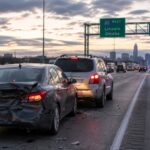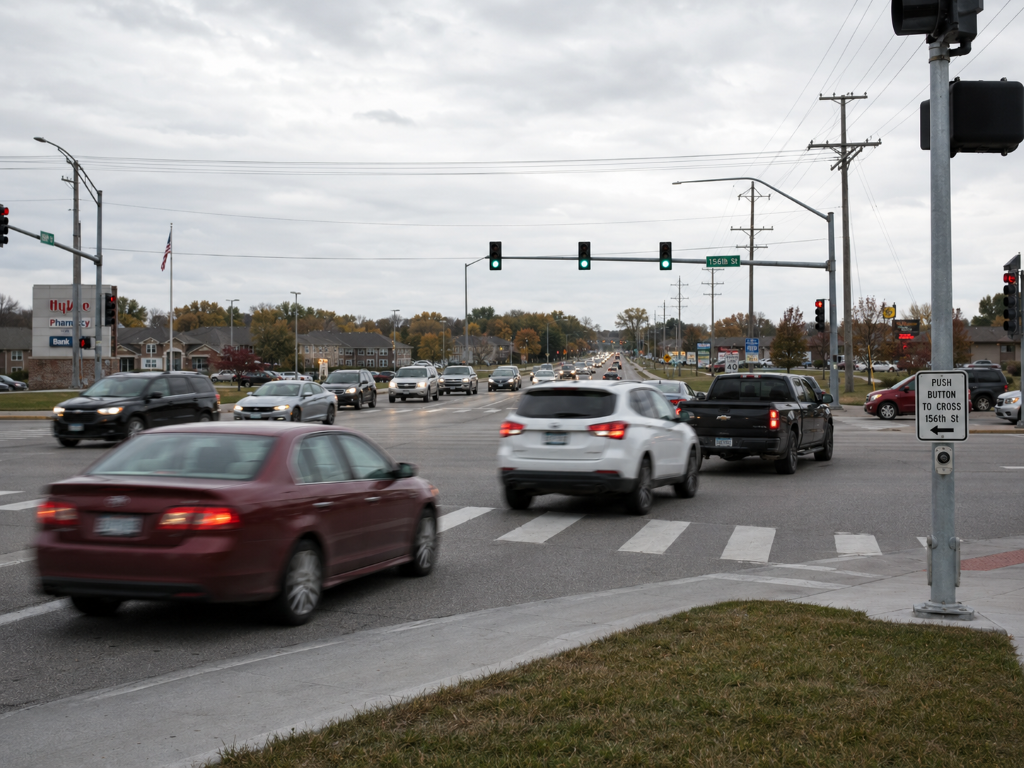
Dense fog is one of the most underestimated weather hazards on Nebraska roads. Car accidents caused by weather in Omaha happen year-round, but fog-related crashes carry a unique danger because drivers often do not realize how little they can see until it is too late. An Omaha car accident lawyer may also help injured drivers understand how weather conditions and driver behavior can affect liability after a collision.
Omaha sits in a region where warm, moist air frequently meets cold ground temperatures, especially in spring and fall. That combination creates thick, ground-level fog that can blanket entire stretches of highway with almost no warning. When visibility drops below a quarter mile, the risk of a serious collision rises sharply. Understanding how fog affects driving, and what your legal options are after a crash, matters more than most people realize.
Why Does Dense Fog Make Omaha Roads So Dangerous for Drivers?
Fog does not just reduce how far you can see. It changes the entire driving environment in ways that catch even experienced drivers off guard.
How Fog Distorts Distance and Speed
When visibility drops in dense fog, drivers consistently misjudge how far away other vehicles are. Objects appear farther than they actually are, which leads drivers to brake too late or accelerate when they should not. NWS recommends reducing speed and increasing following distance because sudden stops and changes in traffic can be harder to see in fog.
The Role of Headlights and High Beams
Many drivers instinctively switch to high beams when they cannot see well. In fog, that is the wrong choice. High beams reflect off water droplets in the air and bounce light back toward the driver, actually reducing visibility further. Fog lights mounted low on the front of a vehicle are designed to cut under the fog layer, not through it. High beams can create glare and further reduce the driver’s ability to see ahead.
Why Omaha Highway Fog Creates Chain-Reaction Crashes
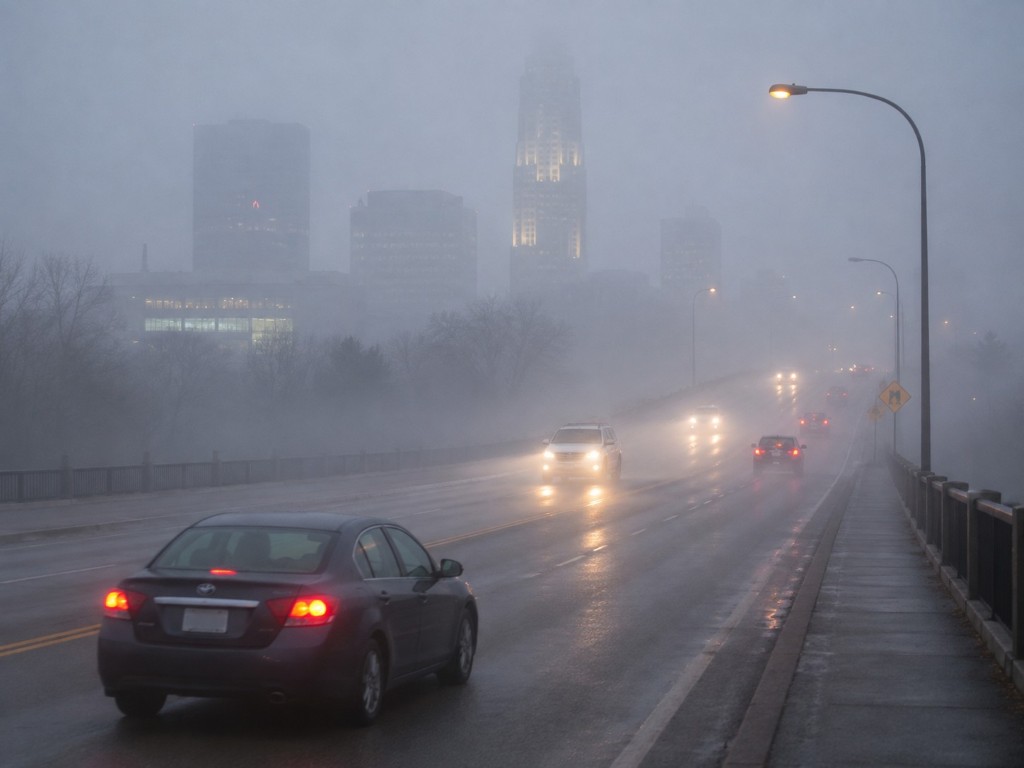
Omaha highway fog is particularly dangerous because it can develop unevenly. A driver might pass through a clear patch of road and then enter a thick fog bank. By the time they slow down, the driver behind them may still be moving at full highway speed. This dynamic creates the conditions for multi-vehicle pile-ups, especially on elevated sections of highway where fog collects and lingers.
What Types of Car Accidents Happen Most Often in Foggy Conditions?
Not all fog-related collisions follow the same pattern. Understanding the most common crash types helps drivers recognize risk before it becomes a crisis.
Rear-End Collisions in Low Visibility
Rear-end collisions are one possible fog-related crash pattern because reduced visibility can limit the distance available to respond to slowing or stopped traffic. When a driver cannot see far ahead, they have less time to react to slowing traffic. Even at moderate speeds, the stopping distance required to avoid a collision can exceed what fog allows a driver to see. If the roadway is also wet or otherwise slick, stopping performance can be affected further.
Wrong-Way Crashes and Intersection Accidents
Low visibility crashes in urban Omaha often occur at intersections and on ramps where drivers misjudge lane positions or miss traffic signals. Fog can obscure lane markings and road signs, making it difficult to know exactly where lanes begin and end.
Pile-Ups on Nebraska Fog-Prone Highways
Dense fog driving in Nebraska creates conditions where multiple vehicles crash in the same location within a short period of time. Once the first collision happens on a foggy highway, debris and stopped vehicles become hidden hazards for every driver approaching from behind.
The Missouri River valley running through eastern Nebraska and into Omaha is known for producing persistent radiation fog, especially in the hours between midnight and early morning. Drivers on bridges and river-adjacent highways face elevated risk during these periods.
Can You File an Injury Claim After a Fog-Related Accident in Omaha?
Weather conditions do not eliminate legal responsibility after a crash. Drivers have a duty to operate their vehicles safely regardless of the conditions. That duty includes adjusting speed for visibility, maintaining a safe following distance, and using appropriate lighting. We can review the circumstances surrounding a fog-related collision and assess whether another driver’s actions may have contributed to the crash.
Establishing Fault in a Weather-Related Crash
When weather-related car accidents in Omaha result in injury, the question of fault still applies. A driver who was speeding in fog, tailgating, or driving without lights may be found negligent even if the fog itself made the road dangerous. Nebraska follows a comparative fault system, meaning each party’s degree of responsibility is weighed when determining compensation.
Gathering evidence after a fog-related crash is critical. Police reports, traffic camera footage, witness accounts, and weather data from the National Weather Service can all help establish what conditions were present and how each driver responded.
What Damages You May Be Entitled to Recover
Injury victims in fog-related accidents may be entitled to compensation for medical expenses, lost wages, property damage, and pain and suffering. When injuries are severe and long-term, the value of a claim can be substantial. An Omaha car accident lawyer can help evaluate the full scope of damages, including future medical care and reduced earning capacity.
How Abboud Law Firm Approaches Fog Accident Cases
At Abboud Law Firm, we handle car accident cases involving all types of weather conditions, including fog-related crashes on Omaha highways and surface streets. We review the specific facts of each case, assess liability, and help injured drivers and passengers understand their options under Nebraska law. Our focus is always on getting the clearest picture of what happened and who bears responsibility.
Frequently Asked Questions
Is a driver still at fault for a car accident if fog caused the crash?
Fog does not transfer responsibility away from drivers. Nebraska law requires all drivers to operate their vehicles safely for the conditions present, which means slowing down and increasing following distance in low visibility. A driver who fails to do this may still be found negligent even if fog contributed to the accident.
What evidence is most useful after a fog-related accident in Omaha?
Weather records from the National Weather Service, dashcam footage, police reports, and witness statements are all valuable pieces of evidence in a fog accident case. Photos taken at the scene showing visibility conditions and vehicle positions can also help establish what happened and support your injury claim.
How does Nebraska’s comparative fault rule affect my fog accident claim?
Nebraska uses a modified comparative fault system, which means your compensation may be reduced if you are found partially responsible for the crash. As long as your share of fault is below 50 percent, we can still pursue a claim on your behalf. The final compensation amount reflects each party’s percentage of responsibility for the accident.