Every year, defective products send millions of Americans to the emergency room. If a defective item has harmed you, understanding the types of product defects is the first step toward understanding your legal rights and getting the help you deserve.
What Are the Three Types of Product Defects?
Product liability law recognizes three distinct categories of defects. Each one describes a different way a product can fail and harm a consumer. Knowing which category applies to your situation matters because it shapes how a legal claim is built and who can be held responsible.
Manufacturing Defects
A manufacturing defect happens during the production process. The product was designed correctly, but something went wrong during its construction or assembly.
Think of it this way: a bicycle is designed to be safe, but a specific unit leaves the factory with a loose bolt on the front fork. That one bike is dangerous, even though every other bike in the same line is perfectly fine. The flaw exists in that single product, not in the design itself.
Common examples of manufacturing defects include:
- A car with brake pads installed incorrectly at the factory
- A molding error that causes a children’s toy to have a sharp edge
- A food product contaminated during packaging
In these cases, the manufacturer’s responsibility is often clear. The company that made or assembled the product failed to meet its own standards. That failure can directly lead to a defective-product injury, and the injured consumer may have a strong claim.
Design Defects
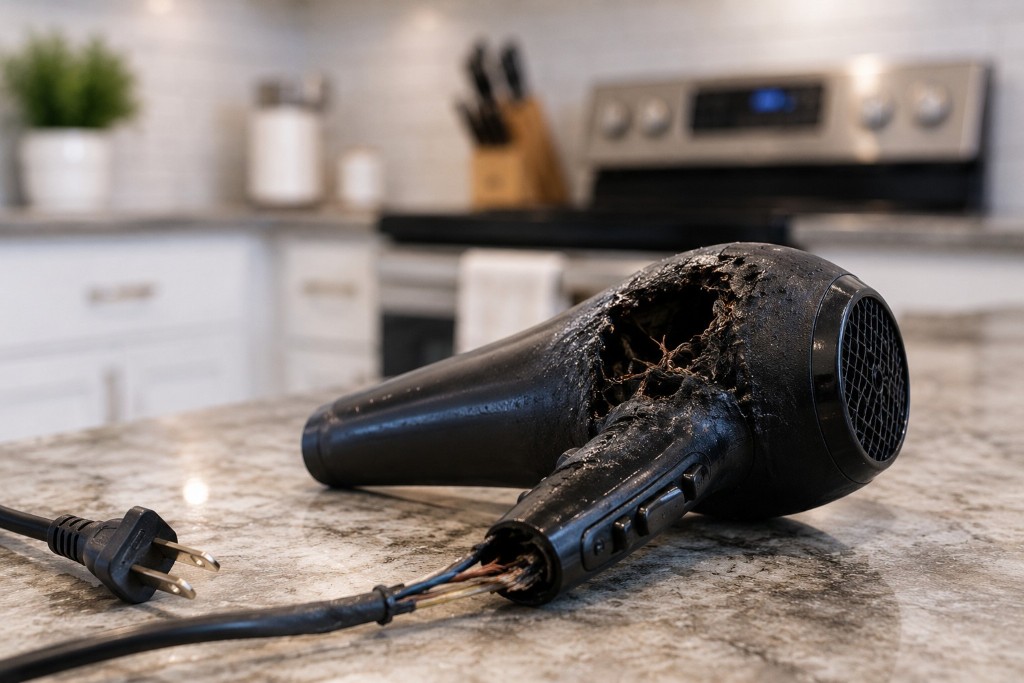
A design defect is more widespread and often more dangerous. Here, the problem is not with one unit. The entire product line is flawed because the original blueprint was unsafe.
Even if every single item is built exactly as planned, the design itself creates a risk. A classic example is a vehicle with a fuel tank placed in a location that makes it likely to explode on impact. Every car of that model has the same dangerous flaw baked into its design.
To prove a design defect in court, attorneys often apply the “consumer expectations test.” This asks whether the product performed as safely as an ordinary person would expect. Another standard is the “risk utility test,” which weighs whether a safer design was possible without making the product too expensive or impractical.
Design defects can lead to massive product recall events. When a company realizes its entire product line is dangerous, it may be forced to recall thousands or even millions of units.
Warning and Marketing Defects
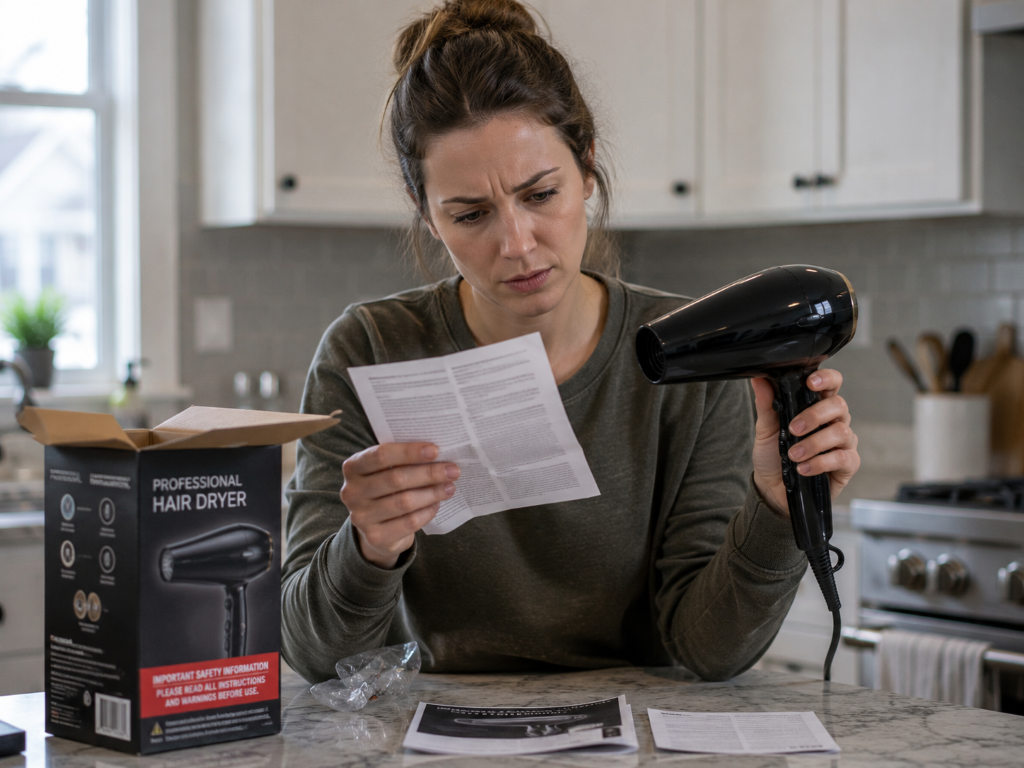
The third category is sometimes called a marketing defect or a failure to warn. A product might be well-designed and properly built, but it can still be defective if it lacks proper instructions or safety warnings.
Imagine a powerful medication that causes dangerous side effects when combined with a common over-the-counter drug. If the label does not warn users about this interaction, the manufacturer may be liable for any resulting harm, even if the drug itself works exactly as intended.
Failure to warn claims often involve:
- Household chemicals that lack proper hazard instructions
- Power tools that do not include critical safety notices
- Supplements or medications with incomplete dosing information
Consumer safety depends on companies being honest and complete about the risks their products carry. When they fall short, injured people have legal options.
How Do Product Defect Categories Affect a Legal Claim?
Understanding which type of defect caused your injury is not just an academic exercise. It directly affects who you can sue, what evidence you need, and how strong your claim may be.
Liability Differs by Defect Type
Each category points to a different point in the supply chain. A manufacturing defect may place responsibility on the factory or assembly plant. A design defect can involve the engineers, product developers, or the entire corporation behind the product. A marketing defect targets whoever was responsible for labeling, instructions, or advertising.
In some cases, more than one party can be held liable. A manufacturer, distributor, and retailer might all share responsibility depending on the facts.
Strict Liability vs. Negligence
Product liability law can operate under two main legal theories. The first is strict liability, which means you do not have to prove the company was careless. You only need to show that the product was defective and that the defect caused your injury. This is especially common in manufacturing and design defect cases.
The second theory is negligence. In a negligence claim, you must show that the company failed to exercise reasonable care. Failure-to-warn cases often involve elements of negligence because someone had a duty to communicate risks clearly and failed to do so.
Evidence and Documentation Matter
Building a successful product liability claim requires solid evidence. This typically includes:
- The defective product itself, preserved in its current condition
- Medical records showing your injury and its connection to the product
- Photos of the product, the defect, and your injuries
- Receipts, packaging, or any documentation proving you used the product as intended
- Any communications from the manufacturer, including recall notices
This is where working with an experienced attorney makes a real difference. We know how to gather and present the right evidence for each type of defect claim.
What Should You Do If a Defective Product Injured You?
If a product caused you harm, what you do in the hours and days after the incident can significantly affect your legal options. Acting quickly and carefully puts you in the strongest possible position.
Preserve the Evidence Immediately
Do not throw away the product, the packaging, or any receipts. Even if the item is broken or seems like trash, it is your most important piece of evidence. Store it somewhere safe and do not try to fix or modify it in any way.
Take photos right away. Document the product, the defect if visible, and your injuries. The sooner you do this, the better, because evidence can disappear quickly.
Seek Medical Attention Right Away
Your health comes first. Get medical care as soon as possible, even if your injury seems minor at first. Medical records connect your injury to the incident, which is essential for any future claim.
Be honest with your doctor about exactly how you were injured and what product was involved. Those details will appear in your records and can support your case later.
Contact a Product Liability Attorney in Lincoln
Defective product injury cases can be complex. Manufacturers have large legal teams working to limit their liability. You deserve someone in your corner with the knowledge and experience to fight back.
We help injured consumers understand their rights and pursue the compensation they deserve. We handle product liability cases with the care and focus that serious injuries demand. If you are unsure whether you have a claim, a consultation with us can give you clear, honest answers.
Do not wait too long, as Nebraska has statutes of limitations that set deadlines for when you can file.
We are ready to review your situation and help you understand all your options.
Frequently Asked Questions
What are the main types of product defects in a personal injury case?
The three main types of product defects recognized in product liability law are manufacturing defects, design defects, and marketing defects, also called failure to warn. Each type describes a different way a product can be unsafe, and each gives rise to a different kind of legal claim. Knowing which type applies to your case helps determine who is responsible and what evidence is needed.
How long do I have to file a product liability lawsuit in Nebraska?
Nebraska generally allows four years from the date of injury to file a product liability lawsuit, though this can vary depending on the specifics of your case. Waiting too long can mean losing your right to seek compensation entirely. Speaking with a qualified attorney as soon as possible after a defective product injury is the safest approach.
Can I still file a claim if the product has been recalled?
A product recall can actually support your case by showing the manufacturer already knew or discovered a problem with the product. You may still be entitled to compensation for medical bills, lost wages, and pain and suffering. We can help you understand how a recall affects your specific claim.
Understanding the types of product defects gives you real power as a consumer. When you know how the law categorizes these failures, you can recognize when your rights have been violated and take action with confidence.