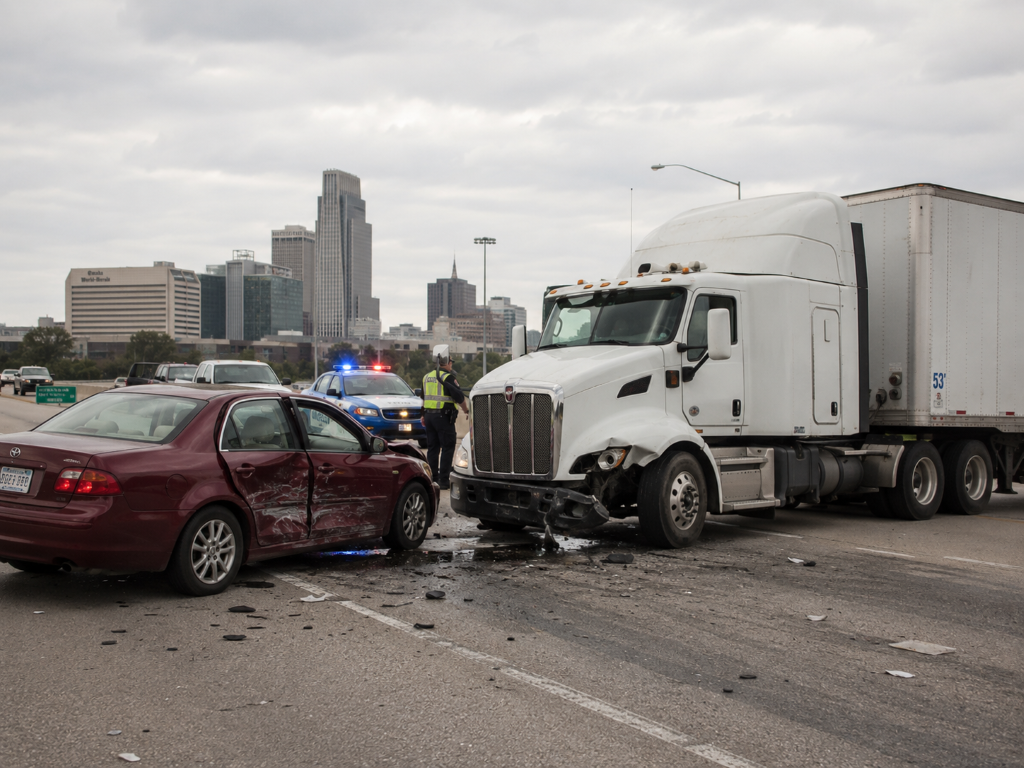
When a large commercial truck is involved in a crash, the vehicle itself often holds the most important clues about what happened. The evidence from a truck’s black box is one of the most powerful tools available for understanding the moments before a collision, and it can make the difference between proving fault and walking away empty-handed.
Unlike a witness statement that can change over time, black box data is generated automatically by the truck’s onboard systems. It captures speed, braking, steering input, and much more, all without any human involvement. That makes it one of the most objective forms of evidence in any truck accident case.
What Does a Truck Black Box Actually Record?
The trucking world uses the term “black box” loosely. It typically refers to the Electronic Control Module (ECM), sometimes called the engine control module, which is a computer embedded in the truck’s systems. Some trucks also carry separate event data recorders or electronic logging devices, and each one captures different types of information.
Speed and Engine Performance Data
One of the most valuable pieces of ECM data is vehicle speed at the time of a crash. The module logs how fast the truck was traveling in the seconds before impact. It also records throttle position, engine RPMs, and whether the cruise control was engaged. This data can reveal whether the driver was speeding or operating the truck outside of safe parameters.
Braking and Steering Inputs
The black box also records whether the driver applied the brakes before the collision and how hard they pressed them. It also records steering wheel movement. Together, these inputs paint a picture of how the driver responded, or failed to respond, to a dangerous situation on the road.
Hours of Service and Electronic Logging Device Records
Many commercial trucks must now use an electronic logging device, or ELD, under federal trucking regulations. The ELD tracks how many hours a driver has been on duty and behind the wheel. This data is critical when driver fatigue is suspected. If a driver exceeded the legal limit for consecutive driving hours, the ELD will show it clearly.

How Is Black Box Data Different From a Car’s Event Data Recorder?
Most modern passenger vehicles carry an event data recorder, which captures a short window of data right before and after a crash. Commercial trucks go far beyond that. The difference isn’t just volume; it’s also the depth of what is recorded.
Longer Data Retention Windows
A standard car’s event data recorder might hold five to thirty seconds of pre-crash data. A truck’s ECM and supplemental systems can retain much longer windows, sometimes spanning days or weeks of operation. This extended record is valuable when a pattern of behavior, such as repeated speeding or skipped rest stops, is relevant to the case.
More Data Points Across More Systems
Commercial truck data includes inputs from the engine, transmission, braking system, and onboard diagnostic tools. Many trucks also have separate systems for GPS tracking, fuel usage, and cargo weight monitoring. Each data stream can help explain what happened before a crash.
Third-Party Fleet Management Data
Many large trucking companies use third-party fleet management software that syncs with the truck’s onboard systems. This software may store data on a remote server, separate from the physical black box. Accessing this data often requires specific legal steps, but it can provide a more complete picture of driver behavior leading up to the crash.
Why Do Omaha Truck Accident Victims Need This Evidence?
Truck accident cases in Omaha are not the same as standard car accident claims. Vehicles are larger, injuries are often more severe, and the legal landscape involves both state and federal rules. Truck accident black box evidence sits at the center of most successful injury claims because it removes guesswork.
Establishing Driver Fault With Objective Data
Insurance companies and defense attorneys work quickly after a crash. They often try to shift blame to the injured party or argue that the facts are unclear. Black box data from the truck directly counters those arguments. If the data shows the driver was speeding or never applied the brakes, that is not a matter of opinion.
Supporting or Challenging Trucking Company Claims
Trucking companies must maintain their vehicles and ensure drivers follow federal trucking regulations, including hours-of-service rules. When a company claims their driver was fully rested and compliant, ELD data can confirm or contradict that. Crash data retrieval from the black box gives attorneys the factual foundation needed to hold both the driver and the company accountable.
Preserving Evidence Before It Disappears
This point deserves direct attention. Black box data does not stay available forever. Some systems overwrite older data after a set number of engine cycles or miles. If a truck returns to service after a crash, that data can be lost permanently.
Sending a legal preservation letter, sometimes called a spoliation letter, puts the trucking company on notice that it must not destroy the data. This step needs to happen quickly after a crash. Waiting too long can mean losing some of the strongest evidence in the case.
Your legal team needs to understand how quickly these windows can close, and work to protect critical evidence from the moment they take on your case.
Frequently Asked Questions
How long does black box data stay available after a truck accident?
The answer depends on the truck’s specific systems. Some ECMs store data for a limited number of engine cycles, meaning the information can be overwritten if the truck is driven again. Others retain data longer, especially if the vehicle is kept out of service. Sending a formal evidence preservation notice to the trucking company as early as possible is the safest way to protect this information.
Can a trucking company delete black box data before sharing it?
Trucking companies are not permitted to destroy evidence once they have been notified of a legal claim. If a preservation letter has been sent and data is still deleted, that can be treated as spoliation of evidence, which may have serious legal consequences for the company. Courts take evidence destruction seriously, and it can work against the company in litigation.
What makes truck accident black box evidence different from eyewitness accounts?
Eyewitness accounts are important, but human memory is imperfect. People perceive events differently under stress, and recollections can shift over time. Black box data comes from sensors and computers in real time, with no interpretation or emotion involved. That objectivity is what makes truck accident black box evidence so compelling in Omaha injury cases. When the data and a witness statement align, the case becomes even stronger.