
If a product hurt you and you never saw a clear warning about the risk, you may have a legal claim. Understanding the different types of product defects can help you determine whether a missing, unclear, or misleading warning contributed to your injury. Omaha personal injury lawyers can also help evaluate whether the warning issue may support a personal injury lawsuit.
What Is a Marketing Defect in Product Liability Law?
Most people assume a dangerous product must be broken or poorly made to create legal liability. That is not always true. A product can appear perfectly normal and still be legally defective because of how it was marketed, labeled, or explained to consumers.
A marketing defect is one of the three primary types of product defects recognized in product liability law. The other two are design defects and manufacturing defects. A marketing defect occurs when a product lacks adequate warnings, includes misleading instructions, or fails to inform consumers about known dangers associated with its use.
The Three Types of Product Defects
Understanding the differences between these categories helps explain where marketing defects fit in:
- Design defects involve products that were dangerous from the outset due to their design. Every unit contains the same danger.
- Manufacturing defects happen during production. The product was designed properly, but something went wrong during manufacturing, affecting specific units.
- Marketing defects occur when a product is properly designed and manufactured, but consumers are not adequately warned about its risks.
All three categories can lead to serious injuries and legal claims. Marketing defects differ because the danger stems from what the company failed to communicate rather than from how the product was built.
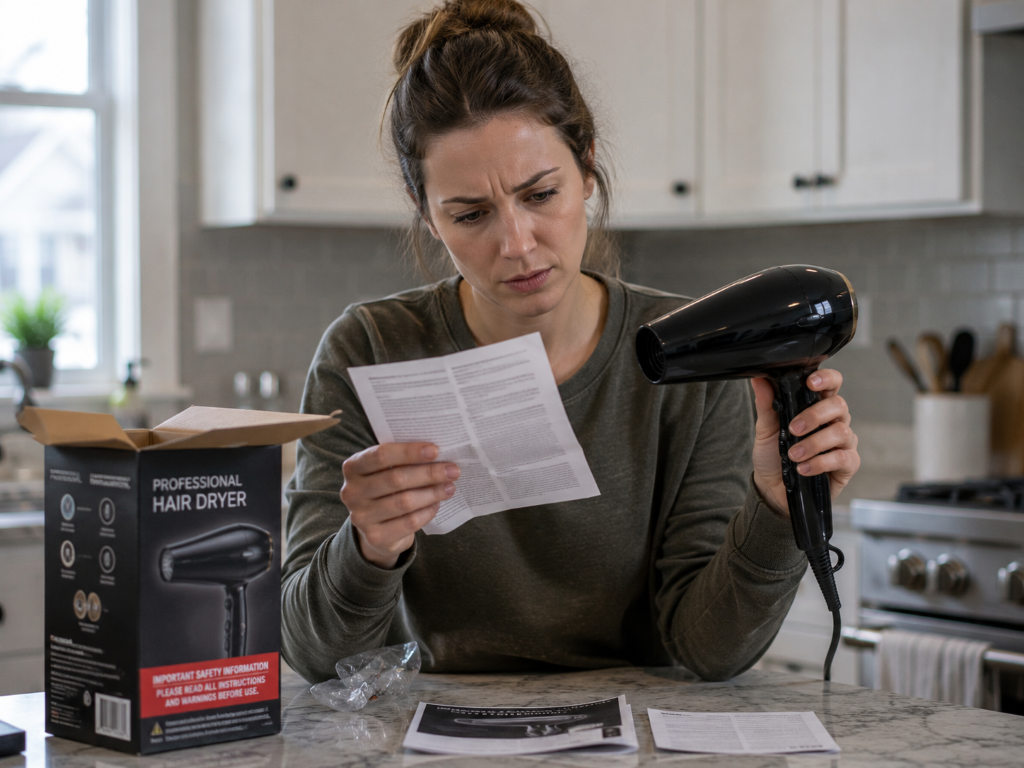
Why Marketing Defects Matter to Injured Consumers
Manufacturers and sellers have a legal responsibility to warn consumers about non-obvious dangers. If a medication becomes dangerous when mixed with alcohol, the label should clearly explain that risk. If a power tool may kick back under certain conditions, the instructions should warn users.
When companies fail to provide that information, consumers may use products in ways they reasonably believe are safe. The gap between what the company knew and what the consumer was told is often where a marketing defect claim begins.
What Counts as a Product Warning Label Issue
A product warning label issue can appear in several forms.
The warning may be completely missing. It may be buried in fine print, written in overly technical language, or difficult for an average consumer to understand. Sometimes a company warns about one danger but fails to mention another equally serious risk.
Any of these situations may support a failure-to-warn claim, depending on the facts.
When Does a Missing Warning Make a Product Legally Defective?
Not every missing warning automatically creates legal liability. Courts apply specific standards to determine whether a company failed its legal duty to consumers.
The Risk Must Have Been Known or Foreseeable
A company cannot warn consumers about a danger it had no reasonable way of knowing existed. However, if the company knew about a risk or should reasonably have anticipated it, the law may hold the company responsible for failing to provide warnings.
This also applies to foreseeable misuse. Companies are expected to think beyond perfect product use and consider how consumers are realistically likely to use the product incorrectly. If a misuse pattern is common and predictable, a warning may still be legally required.
The Missing Warning Must Be Connected to the Injury
There must also be a direct connection between the missing warning and the injury itself. This legal concept is known as causation.
For example, imagine a kitchen appliance that should never be used near water, but the company failed to include that warning. If someone uses the appliance near a sink and is injured, the absence of a warning is directly related to the incident.
That connection between the missing information and the injury is a major part of any failure-to-warn case.
The Danger Must Not Have Been Obvious
Some risks are considered obvious enough that no warning is legally required. A knife generally does not need a label explaining that it is sharp.
But hidden, unexpected, or highly specific dangers are different. If a reasonable consumer using the product normally would not recognize the risk, the company may have had a duty to warn users clearly.
When that warning is missing, an injured consumer may have a strong legal claim.
How Do Courts Decide If a Warning Was Good Enough?
Even if a warning exists, it may still be legally inadequate. Courts examine several factors when evaluating whether a warning meets legal standards.
Clarity, Placement, and Language
A warning hidden deep inside a manual is very different from one clearly placed on the product packaging. Courts look at whether the warning was positioned where consumers were likely to see it.
The wording also matters. Warnings should be understandable to ordinary consumers. If a company relies on vague language, confusing terminology, or tiny unreadable print, a court may still find the warning insufficient.
Product liability law focuses not only on whether a warning existed, but also on whether the warning was effective. Omaha personal injury lawyers can help evaluate whether a product warning was clear, visible, and strong enough under the circumstances.
Whether the Warning Matched the Severity of the Risk
The seriousness of the warning should match the seriousness of the danger.
Products capable of causing severe injury or death require much stronger warnings than products involving only minor risks. If a company uses weak cautionary language for a potentially life-threatening danger, courts may find the warning inadequate.
The legal duty to warn increases with the severity of the risk.
Expert Testimony and Industry Standards
Marketing defect cases often involve expert witnesses from both sides. These experts explain what a reasonable warning should have looked like based on industry standards and accepted safety practices.
Courts also compare the company’s conduct with that of others in the same industry. If similar manufacturers consistently include a specific warning and one company fails to do so, that evidence can strongly support the injured consumer’s case.
Why You Should Talk to a Product Liability Attorney
If you believe a missing or misleading warning contributed to your injury, the steps you take early can significantly affect your case.
Preserving the product, documenting your injuries, and gathering records are all important from the beginning.
We help injured consumers understand their rights in complex product liability cases involving marketing defects, design defects, manufacturing errors, or combinations of multiple defect types. These cases often involve technical evidence, expert testimony, and detailed legal analysis about how warnings should have been presented.
Every product liability case is different. A careful review of the facts is necessary to determine the cause of the injury and whether the company may be legally responsible.
If you or someone you love was injured by a product in Omaha or the surrounding area, speaking with one of our attorneys can help you better understand your legal options and what steps to take next.
Frequently Asked Questions
What is the difference between a design defect and a marketing defect?
A design defect means the product itself was inherently dangerous because of how it was created. A marketing defect means the product may have been designed correctly, but the company failed to warn consumers about the risks associated with its use. Both are recognized forms of product defects that may support a personal injury claim.
Can I sue if the product had a warning label, but I still got hurt?
A warning may still be legally inadequate if it was unclear, difficult to notice, hidden in fine print, or failed to explain the actual danger involved. Courts look closely at whether the warning effectively communicated the risk to ordinary consumers.
How do I know if my injury qualifies as a failure-to-warn case?
You may have grounds for a failure-to-warn claim if a product injured you, you were not informed about the specific risk, and the company knew or reasonably should have known about the danger. An attorney experienced in product liability law can evaluate the facts of your case and determine whether a marketing defect may have contributed to your injury.