When a drunk driver causes a crash in Omaha, the driver is not always the only party who can be held responsible. Dram shop liability in Omaha law allows injured victims to pursue claims against the bar, restaurant, or liquor store that served alcohol to the person who caused the harm. Understanding how this works can make a real difference for anyone trying to recover after a serious crash. We can help evaluate whether an alcohol-serving business may share legal responsibility based on the circumstances surrounding the crash.
What Does Dram Shop Liability Mean Under Nebraska Law?
The phrase “dram shop” comes from an older term for establishments that sold alcohol by the dram, a small unit of measurement. Today, it refers to the legal principle that liquor-serving businesses can share responsibility when their service of alcohol contributes to an injury.
Nebraska Revised Statutes §53-401 through 53-409 make up the Minor Alcoholic Liquor Liability Act, which creates certain civil claims arising from alcohol furnished to minors.
The Basic Legal Standard in Nebraska
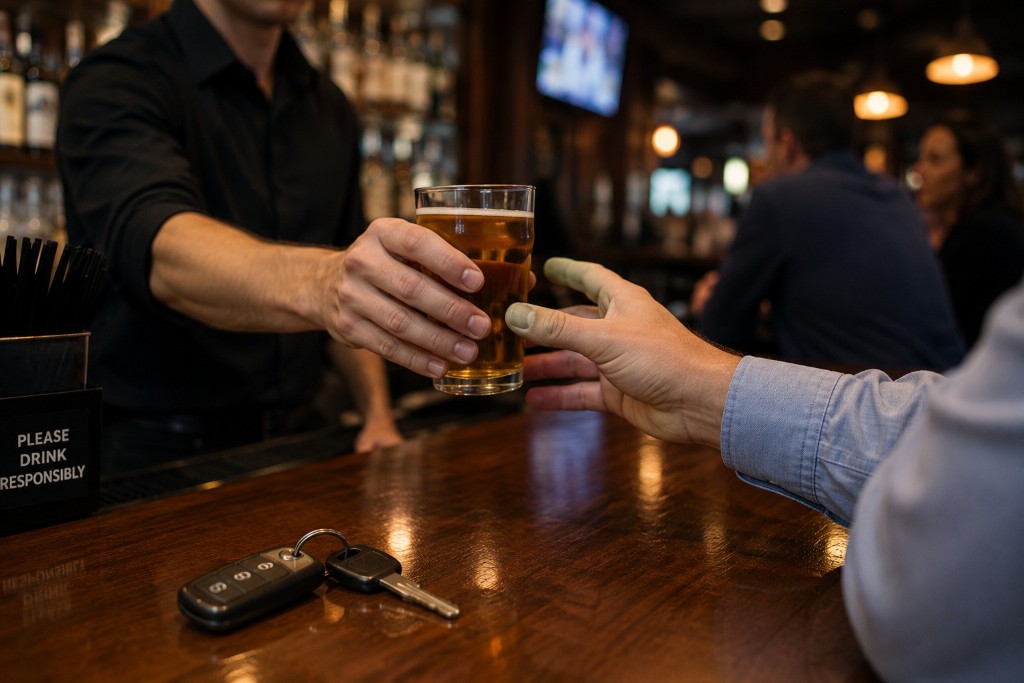
Nebraska law does not make every alcohol sale a liability risk. The law focuses on a specific type of situation: when a business sells or serves alcohol to a person who is visibly intoxicated, or to a minor. That person then causes harm to someone else.
To bring a successful claim, the injured party generally needs to show:
- The business held a Nebraska liquor license at the time of the incident
- The business served alcohol to a visibly intoxicated person or a minor
- That service was a proximate cause (a direct contributing factor) of the injury
This is a civil legal claim, meaning it is handled in civil court and is separate from any criminal case against the drunk driver.
Social Hosts Versus Commercial Sellers
Nebraska’s dram shop statute applies specifically to licensed commercial sellers, such as bars, restaurants, and liquor stores. Private social hosts who serve alcohol at a party are generally not covered under the same statute. This is an important distinction, and the rules around social host liability differ from state to state.
Which Businesses Can Be Held Responsible Under Omaha Dram Shop Laws?
Any business in Omaha that holds a Nebraska liquor license and serves alcohol to the public can potentially fall under dram shop liability. This covers a wide range of establishments that many people encounter in daily life.
Types of Licensed Businesses Covered
Common examples of businesses that can face dram shop claims in Omaha include:
- Bars and taverns that serve alcohol as their primary business
- Restaurants that hold a liquor license and serve beer, wine, or spirits
- Nightclubs and entertainment venues
- Liquor stores that sell packaged alcohol for off-premise consumption
- Convenience stores and grocery stores that sell alcohol
Event venues that serve alcohol at private functions under a catering license
The Role of Liquor Licensee Responsibility
Liquor licensee responsibility is at the center of every dram shop claim. When a business accepts a liquor license from the state of Nebraska, it also accepts a set of legal obligations. One of those obligations is to train staff, monitor patron behavior, and refuse service when someone shows signs of intoxication. We may review receipts, surveillance footage, witness statements, and employee records to determine whether the business met those obligations.
What Victims Can Recover
In a successful dram shop claim, injured parties may be able to recover compensation for:
- Medical bills and ongoing treatment costs
- Lost wages and reduced earning capacity
- Pain and suffering
- Property damage
In cases involving a death, wrongful death damages for surviving family members
How Does Nebraska Compare to Other States on Alcohol Liability?
Nebraska alcohol liability law is more limited than the laws in many other states. Understanding where Nebraska stands can help victims set realistic expectations and prepare a focused legal strategy.
States With Broader Dram Shop Laws
Some states impose dram shop liability more broadly. For example, certain states allow claims against social hosts, not just licensed businesses. Others do not require proof of visible intoxication and instead hold sellers liable for any sale that contributes to harm.
Nebraska’s approach is narrower. The statute specifically targets licensed sellers, and proof of visible intoxication or service to a minor is required. This means that cases in Nebraska depend heavily on the specific facts: what the server saw, how much was served, and how the business responded to signs of intoxication.
Why the Comparison Matters for Omaha Victims
Knowing how Nebraska’s law compares to others helps frame what is and is not possible in a local case. We work with clients who sometimes assume they have stronger rights than Nebraska law provides, and others who do not realize they have any rights at all against an alcohol seller. We can help clarify which parties may be legally responsible and what evidence is needed to support a claim.
Frequently Asked Questions
How do I know if dram shop liability applies to my crash?
Dram shop liability applies when a licensed business over-served alcohol to the person who caused your crash, and that person showed visible signs of intoxication before they were served. We look at the specific facts of each situation, including where the at-fault driver drank, how much they consumed, and whether staff had reason to know they were already intoxicated. Gathering this information early in the process can strengthen a potential claim.
Can a bar and a drunk driver both be held responsible for the same crash in Omaha?
Both the drunk driver and the bar or restaurant that served them can face liability in the same case. Nebraska law allows injured victims to pursue claims against multiple parties when each contributed to the harm. The drunk driver remains the primary responsible party. Still, a dram shop claim adds a potential second avenue for recovering damages, especially when the driver’s insurance is not enough to cover the full extent of the injuries.
How long do I have to file a dram shop liability claim in Nebraska?
Nebraska has a statute of limitations that sets a deadline for filing personal injury claims, and dram shop cases fall under that same framework. Missing this deadline can permanently bar a victim from recovering compensation. Because these cases also require prompt evidence gathering, including surveillance footage that businesses may not retain for long, speaking with an attorney as soon as possible after a drunk driving crash in Omaha is important for protecting your rights.