If you drive in Omaha regularly, knowing which intersections are dangerous could save your life. This guide breaks down some of the highest-risk spots in the city, explains what makes them so deadly, and helps you make smarter decisions behind the wheel every day.
Which Intersections in Omaha, NE, Have the Most Car Accidents?
Not every busy road in Omaha is equally risky. Some intersections see crash after crash because of their design, the volume of traffic moving through them, or both. Understanding which spots carry the highest risk helps you stay alert when it matters most. If a collision does happen at one of these dangerous intersections, an Omaha car accident lawyer can help investigate how roadway conditions, traffic patterns, and driver behavior may have contributed to the crash.
72nd and Dodge Street
The intersection at 72nd and Dodge Street is one of the most consistently dangerous spots in the city. Multiple lanes of high-speed traffic converge here, and left turns across oncoming cars happen constantly throughout the day. The Nebraska Department of Roads has flagged this corridor repeatedly in Omaha traffic crash data reviews over the past decade.
Drivers approaching from Dodge Street often underestimate the speed of oncoming vehicles. That misjudgment leads to angle crashes and T-bone collisions that cause serious injuries.
Saddle Creek Road and Leavenworth Street
This intersection is in a dense residential and commercial zone, so pedestrians, cyclists, and drivers compete for the same space at the same time. Visibility on one approach is limited by a curve in the road, making it harder to judge safe gaps in traffic.
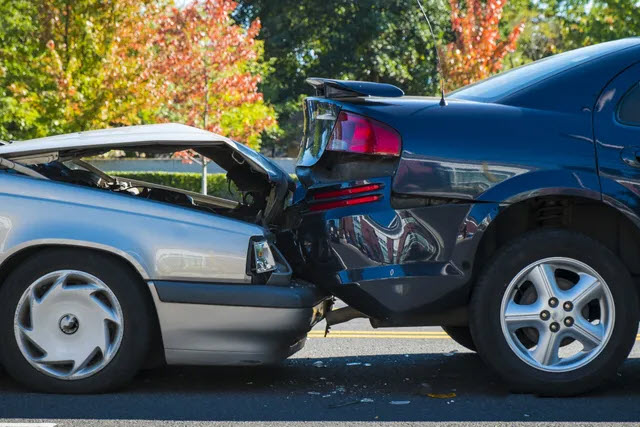
Rear-end collisions here happen frequently during morning and afternoon rush hours. The mix of vehicle types and limited sightlines creates a situation where even cautious drivers face real risk.
132nd and West Dodge Road
Further west, the intersection at 132nd and West Dodge Road generates a high number of reported crashes each year. Rapid suburban growth in west Omaha has pushed traffic volumes far beyond what this intersection was originally built to handle.
Timing delays in the signal system mean that vehicles often accelerate through yellow lights rather than stopping safely. That behavior, combined with heavy turning movements, creates repeated opportunities for collisions throughout the day.
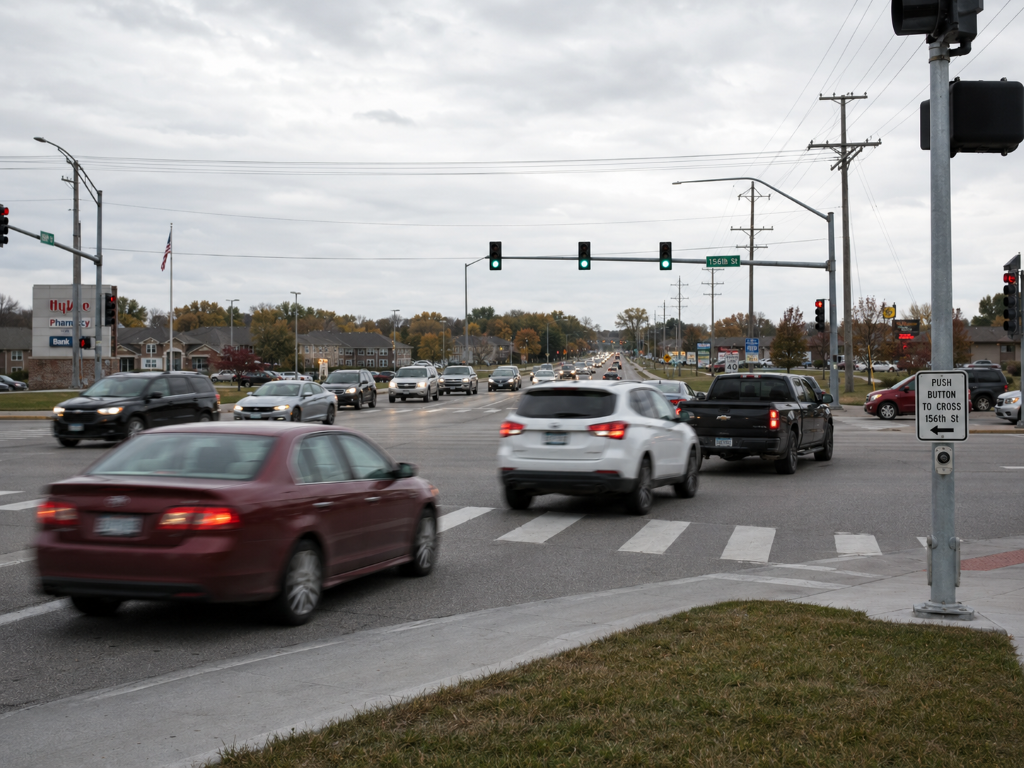
60th Street and L Street
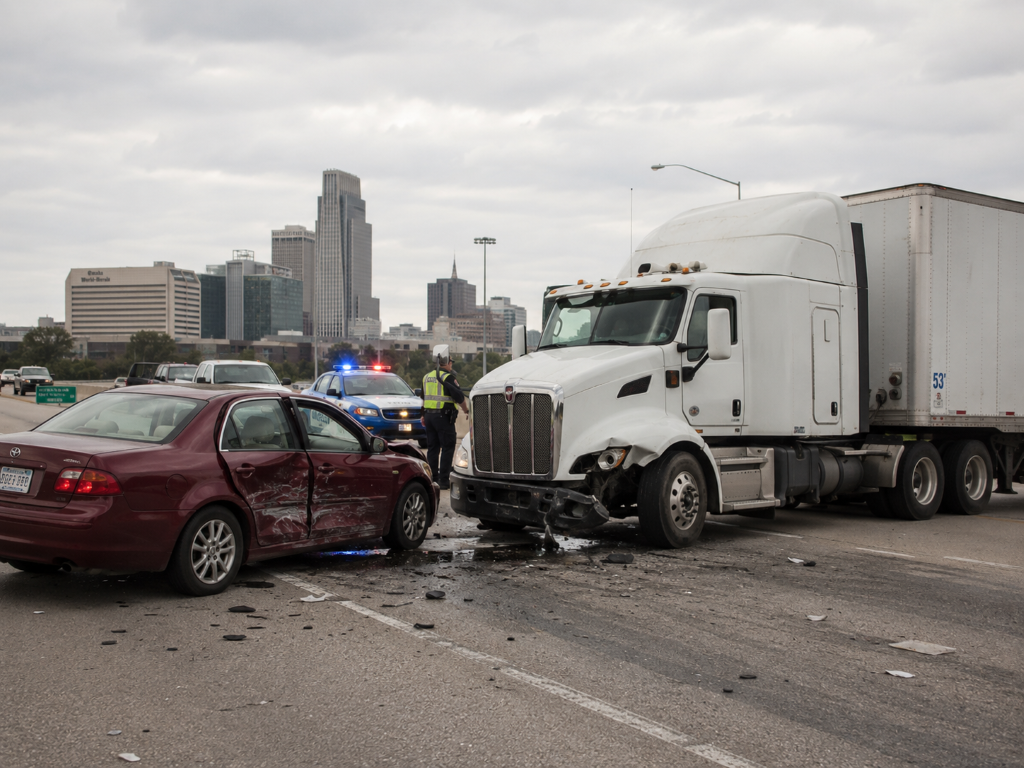
The South Omaha area sees its own concentration of high-risk locations. The intersection at 60th and L Street carries heavy freight traffic alongside everyday passenger vehicles. The size difference between trucks and cars makes crashes here more severe when they do occur.
Crosswalk compliance is also a documented issue at this location. Pedestrians crossing without a protected signal phase have been struck here on multiple recorded occasions.
What Makes These Omaha Intersections So Dangerous?
Looking at the crash data across Omaha, a clear pattern emerges. Most high-risk intersections share a handful of common characteristics. Recognizing these factors helps explain why certain spots keep appearing in intersection collision statistics year after year.
Poor Signal Timing and Traffic Volume
Signals designed for older, lower-traffic volumes struggle to handle the demand placed on them today. When a green light lasts too long in one direction, drivers on the cross street become impatient. That impatience leads to red-light running, which is one of the leading causes of severe angle crashes.
Omaha traffic safety engineers have identified signal retiming as one of the most cost-effective tools for reducing crashes. But upgrades take time, and intersections continue to carry risk while they wait for improvements.
Limited Visibility and Poor Road Geometry
Some Omaha intersections are dangerous simply because drivers cannot see far enough ahead to react in time. Curves, hills, roadside vegetation, and close-set buildings all limit sight lines. When a driver finally sees a hazard, there is not enough space to stop safely.
Road geometry also plays a role. Intersections where streets meet at odd angles, rather than clean right angles, force drivers to turn their heads farther and spend more time looking away from traffic. That extra fraction of a second is often the difference between a near miss and a serious collision.
Driver Behavior and Distraction
No amount of good road design fully eliminates human error. Distracted driving remains one of the top contributing factors in Omaha crash reports. Drivers using phones, adjusting navigation, or simply not paying attention may fail to notice changed signal phases or stopped vehicles ahead.
Speeding through intersections is equally dangerous. Even a five-mile-per-hour increase above the posted limit can reduce the time a driver has to react. On high-risk roads in Nebraska, that small increase in speed can turn a minor fender bender into a life-changing crash. An Omaha car accident lawyer can help examine whether distraction, speeding, or another negligent driving behavior contributed to the collision.
How Does Omaha Compare to Other Nebraska Cities for Intersection Crashes?
Omaha is Nebraska’s largest city by a wide margin. With more people comes more traffic, and with more traffic comes more crashes. But raw numbers only tell part of the story.
Omaha vs. Lincoln
Lincoln, Nebraska’s second-largest city, reports significantly fewer intersection crashes each year. Part of that difference is population and vehicle volume. But Lincoln has also invested heavily in protected left-turn phases at its busiest intersections, a safety measure that reduces the most dangerous type of turning movement.
Omaha has made similar improvements at select locations. However, the scale of the road network here means that high-risk intersections in Omaha, NE, still outnumber those in Lincoln by a considerable margin.
Statewide Crash Trends
The Nebraska Department of Roads publishes annual crash summaries that break down collisions by type and location. Those reports consistently show that Douglas County, which includes Omaha, accounts for a disproportionately large share of Nebraska’s total intersection crash injuries.
That concentration matters when evaluating Omaha traffic crash data. It points to a structural challenge, not just isolated bad luck. High-risk roads in Nebraska tend to cluster in urban areas, and Omaha carries more of that burden than any other part of the state.
What Local Data Tells Us
Intersection collision statistics from the Omaha Police Department’s traffic division show that angle crashes and rear-end collisions together account for the majority of serious-injury crashes at Omaha intersections. Most of these crashes occur during daylight hours in dry weather, which means driver behavior, not poor visibility, is usually the primary factor.
That finding aligns with what we see in crash reports from clients who have been injured at intersections in Omaha. The conditions were normal. The other driver simply was not paying attention.
If You Were Hurt at One of These Intersections, We Can Help
Getting hurt in a car crash is disorienting. Medical bills arrive quickly. Insurance adjusters call before you have had time to think clearly. Many people do not realize how much they may be owed until it is too late to collect.
We represent people who have been injured at dangerous intersections in Omaha, NE, and throughout the surrounding area. We know these roads. We have reviewed the crash data, and we understand what it takes to build a strong case when a preventable intersection crash changes someone’s life.
Frequently Asked Questions
What are the most dangerous intersections in Omaha right now?
Based on available Omaha traffic crash data, the intersections at 72nd and Dodge Street, 132nd and West Dodge Road, and Saddle Creek Road at Leavenworth Street consistently rank among the highest-risk locations in the city. We recommend extra caution at any high-volume intersection along the Dodge Street corridor.
How can I find out who is responsible after a crash at a dangerous intersection?
Liability after an intersection crash depends on several factors, including signal phase at the time of impact, posted speed limits, driver behavior, and road conditions. We review crash reports, traffic camera footage, and witness statements to identify who was at fault and build the strongest possible claim for our clients.
Does Abboud Law Firm handle intersection accident cases throughout the Omaha area?
We handle car accident cases at dangerous intersections in Omaha and in communities throughout the greater metro area. Whether the crash happened in Bellevue, Papillion, Millard, or the heart of downtown Omaha, our team is ready to help you understand your rights and pursue the compensation you deserve.