Nebraska handles dog bite cases differently from many other states. Instead of automatic liability after every bite, victims generally need to show that the dog owner knew or should have known the animal had dangerous tendencies before the attack. Because of that, evidence, witness statements, prior incident history, and early legal strategy can matter a lot, which is why working with Omaha personal injury lawyers can help victims understand what must be proven from the start.
What Are the Legal Elements of a Dog Bite Claim in Nebraska?
To recover compensation in a Nebraska dog bite case, several legal elements usually must be proven. Missing even one can significantly weaken the case.
The Dog Owner Knew the Dog Was Dangerous
This is the foundation of Nebraska’s one-bite rule.
You generally must show the owner had reason to believe the dog could act aggressively before the attack occurred. That prior knowledge creates the basis for legal responsibility.
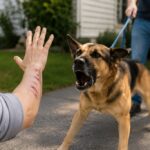
Importantly, the dog does not always need a history of actually biting someone. Aggressive behavior, such as growling, lunging, snapping, or threatening people, may still put an owner on notice that the dog presents a danger.
The key question becomes whether a reasonable person in the owner’s position would have recognized the risk.

You Were Lawfully Present
Nebraska law typically protects people who were legally on public property or lawfully present on private property at the time of the attack.
If you were walking on a sidewalk, visiting someone’s home, working on a property, or at a public park in Omaha, you likely satisfy this requirement. Trespassing cases are generally more difficult.
The Dog’s Actions Caused Your Injuries
You must also connect the dog’s behavior directly to the injuries you suffered.
This includes proving the attack caused your medical bills, lost income, pain, scarring, emotional trauma, or other damages. That legal connection is known as causation, and it is required in every personal injury case.
The Injuries Must Be Properly Documented
Courts want to see clear evidence of real harm.
Dog bite injuries often involve puncture wounds, infections, nerve damage, permanent scarring, or emotional trauma. Proper medical documentation from the beginning can make a major difference in strengthening the claim.
How Do You Show a Dog Owner Had Prior Knowledge of Dangerous Behavior?
This is often the most challenging part of a Nebraska dog bite case.
The burden falls on the victim to prove the owner knew or reasonably should have known the dog posed a danger.
Looking Into the Dog’s History
One of the first steps is to investigate whether the dog has a documented history of aggressive behavior.
Helpful evidence may include:
- Animal control complaints
- Prior bite reports
- Neighbor complaints
- Veterinary records
- Dangerous dog designations
- Prior restrictions involving the animal
Even informal reports made directly to the owner may help establish prior knowledge.
Veterinary records can become especially valuable if a veterinarian documented concerns about aggression, behavioral warnings, or recommendations for intervention.
Speaking With Neighbors and Witnesses
Witness testimony can be incredibly important in dog bite cases.
Neighbors who previously saw the dog acting aggressively may confirm the owner already knew there was a problem. People who had negative encounters with the dog before the attack may also help establish prior knowledge.
In close-knit Omaha neighborhoods, community members sometimes have years of firsthand experience with a specific dog. That information can become powerful evidence in court.
When the Owner’s Own Statements Become Evidence
Sometimes owners unintentionally provide evidence themselves.
Statements such as:
- “He bites sometimes.”
- “Stay away from him.”
- “He doesn’t like strangers.”
It can help demonstrate that the owner already knew the dog posed a risk.
Prior warnings from the owner may directly support a claim under Nebraska’s one-bite rule.
What Types of Evidence Are Most Useful in a Nebraska Dog Bite Case?
Strong evidence often determines the strength of a dog bite claim.
The more complete and organized the documentation is, the stronger the case becomes.
Medical Records and Injury Photographs
Medical records are one of the most important parts of any injury claim.
You should seek medical treatment immediately after the attack, even if the wound initially seems minor. Dog bites can lead to serious infections, tissue damage, and complications that are not immediately obvious.
Photographs also matter tremendously.
Take pictures:
- Immediately after the attack
- Throughout the healing process
- After surgeries or treatment
- Of any visible scarring or bruising
Visual evidence often has a major impact when showing the seriousness of the injuries.
Animal Control Reports and Official Records
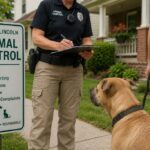
Reporting the incident to Omaha Animal Control or local authorities creates an official record of the attack.
Animal control investigations may document:
- The identity of the dog
- Details about the attack
- Prior complaints involving the animal
- Dangerous dog classifications
If the dog has prior citations or complaints, those records may become important evidence in support of the claim.
Expert Opinions and Professional Testimony
In some cases, professional opinions help further strengthen the case.
Dog behavior experts or veterinary professionals may review the dog’s history and explain whether the owner should reasonably have recognized the danger.
Veterinary records sometimes include warnings about aggression, recommendations for muzzles, or notes about behavioral concerns. Those records are often overlooked but can become extremely persuasive evidence.
Why Legal Representation Matters in Nebraska Dog Bite Cases
Nebraska dog bite cases involving the one-bite rule can quickly become legally complex.
Questions involving prior knowledge, provocation, witness credibility, and evidentiary standards often require detailed legal analysis and investigation.
We help dog bite victims gather evidence, investigate prior incidents, identify witnesses, and build a complete picture of what happened and how the injuries affected their lives.
Timing also matters. Evidence fades, witnesses become harder to locate, and legal deadlines continue running after the attack occurs.
Taking action early helps preserve critical information and strengthens the overall claim.
Frequently Asked Questions
What is the one-bite rule in Nebraska dog bite law?
Nebraska’s one-bite rule generally means a dog owner may be held responsible if they knew or should have known the dog had dangerous tendencies before the attack happened. You do not always need proof of a previous bite specifically. Evidence of aggressive behavior may still establish prior knowledge.
How long do I have to file a dog bite claim in Nebraska?
Nebraska generally allows four years from the date of the attack to file a personal injury lawsuit. However, waiting too long can weaken the case because evidence may disappear and witnesses may become harder to locate.
What if the dog owner claims I provoked the dog?
Provocation is a defense that owners sometimes raise in dog bite cases. Courts examine the full circumstances surrounding the attack to determine whether the victim’s actions reasonably caused the dog’s response. Witness statements, surveillance footage, and other evidence can help challenge unsupported arguments about provocation.