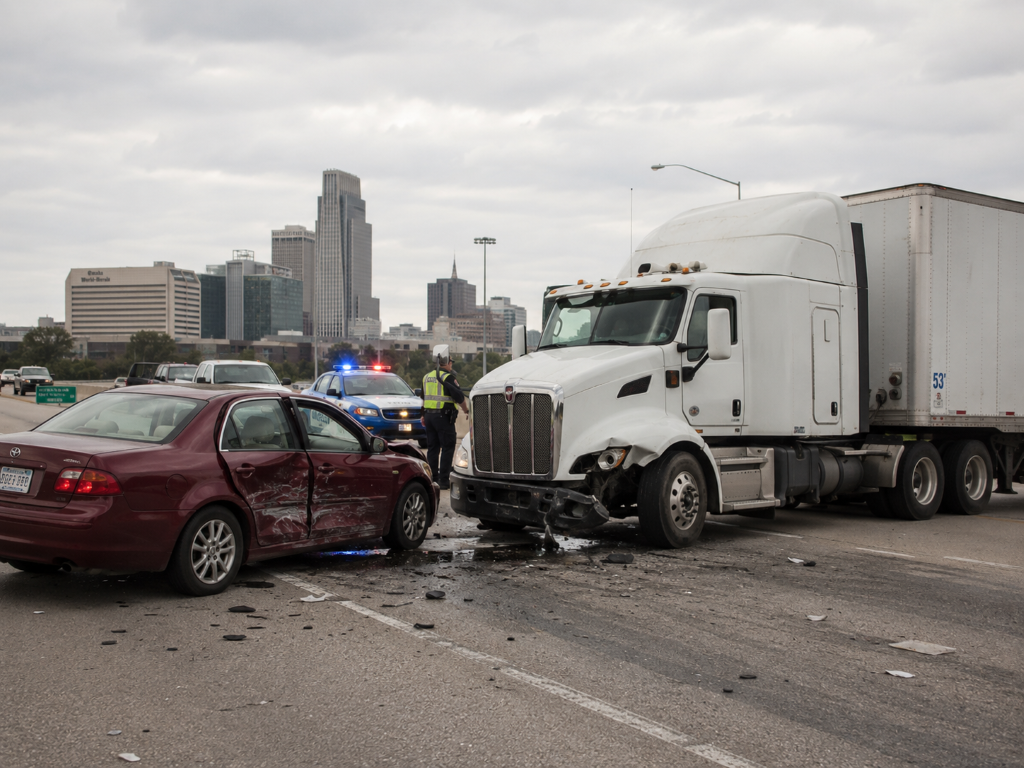
If a drunk driver hurt you, you may be entitled to more than compensation for medical bills and lost wages. Punitive damages in drunk driving cases in Nebraska can potentially add another layer of financial recovery, but only when a case meets a very specific legal standard. An Omaha car accident lawyer can help explain what that standard involves, what evidence matters most, and how courts evaluate whether additional damages may apply.
What Legal Standard Must Be Met for Punitive Damages in Nebraska DUI Cases?
Nebraska does not allow punitive damages in every personal injury case. Courts apply strict rules before allowing damages intended to punish a defendant beyond normal compensation.
The Constitutional Basis for Punitive Damages in Nebraska
Nebraska courts have historically placed significant limits on punitive damages under the state constitution. However, courts may still recognize exemplary-type damages in situations involving conduct far beyond ordinary negligence.
To successfully pursue these damages, the injured party generally must show that the at-fault driver acted with willful and wanton conduct. In simple terms, that means the driver knew their behavior was dangerous and chose to ignore the risk anyway.
This standard goes well beyond ordinary carelessness. A driver who accidentally runs a red light may be negligent. A driver who drinks heavily, ignores warnings not to drive, and gets behind the wheel with a blood alcohol content far above the legal limit may be acting with reckless disregard for everyone else on the road.
That distinction matters tremendously in Nebraska DUI injury cases.
Why DUI Cases Often Meet This Standard
Drunk driving is one of the clearest examples of conduct courts frequently view as reckless and dangerous.
A person who chooses to drink and drive is knowingly creating a serious risk of harm. That deliberate decision is exactly the kind of conduct courts may consider when evaluating whether enhanced damages are appropriate.
Nebraska also follows the doctrine of negligence per se. This means violating certain safety laws automatically supports a negligence claim. Because driving under the influence violates Nebraska law, evidence of intoxicated driving can strengthen the overall injury case and help support arguments involving reckless conduct.
How Courts Evaluate the Driver’s Mental State
Courts look closely at what the driver knew and how they behaved before the crash.
Judges and juries may consider:
- The driver’s blood alcohol concentration
- Prior DUI convictions or arrests
- Witness statements
- Whether passengers warned the driver not to drive
- Driving behavior before the collision
- Actions taken after the crash
The goal is to determine whether the driver consciously ignored obvious risks to others.
How Does Willful and Wanton Conduct Apply to Drunk Driving in Nebraska?
The phrase willful and wanton conduct is central to these cases. While the wording may sound technical, the idea itself is fairly straightforward.
The driver did not simply make a mistake. The driver knowingly acted in a manner that showed disregard for others’ safety.
Defining Willful and Wanton Conduct in Practical Terms
Willful means the person intentionally chose to engage in the conduct. Wanton means they acted without caring about the likely consequences.
For example, a drunk driver speeding through a residential neighborhood late at night while heavily impaired may demonstrate both elements. The driver chose to drive, ignoring the obvious danger that decision posed.
Nebraska courts closely examine the facts surrounding the crash when deciding whether this standard applies. A blood alcohol concentration two or three times the legal limit can become powerful evidence of reckless disregard, especially when paired with other facts an Omaha car accident lawyer may use to show how dangerous the driver’s conduct was.
Why Prior Conduct Matters
A driver’s history can significantly strengthen a punitive damages argument.
Prior DUI convictions, alcohol treatment programs, or previous warnings about drinking and driving can demonstrate that the driver already understood the dangers involved. If someone had already faced consequences for drunk driving and still chose to drive impaired again, that repeated conduct may support arguments involving malicious or reckless behavior.
Courts often view repeat offenses very differently from isolated mistakes.
Aggravating Factors That Strengthen a DUI Injury Claim
Certain facts can make a DUI injury case substantially stronger when pursuing punitive damages, including:
- Extremely high blood alcohol levels
- Driving with children inside the vehicle
- Fleeing the scene after the collision
- Ignoring warnings from friends or passengers
- Prior DUI arrests or convictions
- Excessive speeding while impaired
When multiple aggravating factors exist together, courts are more likely to view the driver’s conduct as especially reckless.
What Evidence Supports a Punitive Damages Claim After a DUI Crash?
Understanding the legal standard is only part of the process. The success of a claim depends heavily on evidence.
Strong punitive damages cases rely on detailed documentation showing exactly how dangerous the driver’s behavior was.
Evidence From the Criminal DUI Case
Criminal DUI investigations often generate some of the strongest evidence available in a civil injury claim.
Important evidence may include:
- Police reports describing the scene
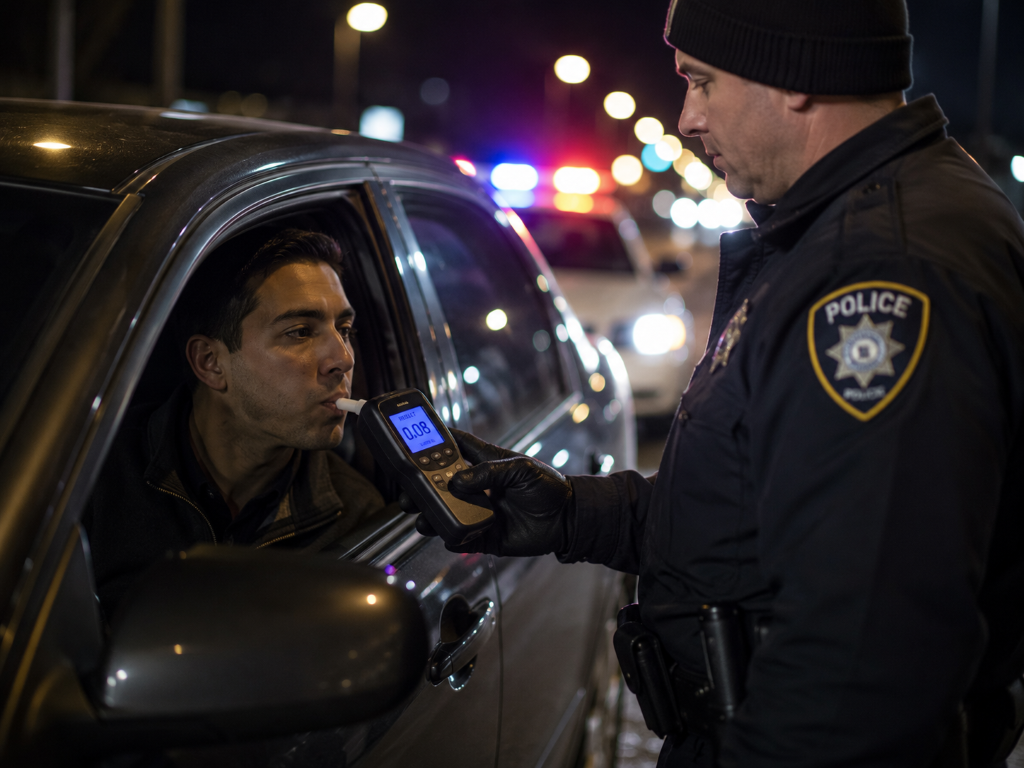
- Breathalyzer or blood test results
- Body camera or dash camera footage
- Witness statements
- Criminal charges or convictions
This type of DUI evidence in a civil case carries significant weight because law enforcement officers gathered it professionally and in proximity to the crash.
Even if the driver later pleads guilty to a reduced criminal charge, the underlying facts may still support a civil claim involving reckless conduct.
Medical Records and Expert Witnesses
Medical evidence remains essential in every serious injury case.
Hospital records, physician evaluations, imaging scans, and rehabilitation records all help document the extent of the injuries caused by the crash.
In cases involving punitive damages, expert witnesses may also become important. Toxicologists, accident reconstruction specialists, and medical experts can help explain how impaired the driver was and why the driver’s behavior created such an extreme danger.
Expert testimony often helps juries understand why the conduct went beyond ordinary negligence.
Surveillance Footage and Digital Evidence
Modern DUI cases increasingly involve digital evidence.
Security footage from bars or restaurants may show the driver drinking before the collision. Social media posts, text messages, or phone records may reveal that the driver knew they were impaired before deciding to drive.
This type of evidence can become extremely persuasive because it directly demonstrates awareness, choice, and reckless decision-making.
Why Early Legal Action Matters After a Nebraska DUI Crash
Cases involving punitive damages require thorough investigation and fast action.
Important evidence can disappear quickly. Surveillance footage may be erased. Witness memories fade. Electronic records can become harder to recover over time.
We work to preserve evidence early, coordinate expert analysis, and build a clear record demonstrating how the driver’s conduct endangered others.
Nebraska also has legal deadlines that limit how long injury victims have to file claims. Waiting too long can weaken a case or even prevent recovery entirely.
If you or someone you love was seriously injured by a drunk driver in Omaha or anywhere in Nebraska, understanding your legal options early can make a major difference in the strength of your claim.
Frequently Asked Questions
Are punitive damages available in every drunk driving lawsuit in Nebraska?
Punitive damages are not automatically available in every DUI injury case. Nebraska requires proof that the driver acted with willful and wanton conduct, meaning the driver knowingly disregarded the safety of others. Ordinary negligence alone is not enough.
How does a prior DUI conviction affect a punitive damages claim?
A prior DUI conviction can significantly strengthen the claim because it helps show the driver already understood the dangers of impaired driving. Repeated offenses often support arguments that the conduct was reckless and deliberate and deserving of additional punishment.
How long do I have to file a DUI injury lawsuit in Nebraska?
Nebraska generally allows four years to file most personal injury lawsuits, though certain facts can affect the deadline. Acting quickly helps preserve evidence and strengthens the overall case.