Not all hours carry the same risk. Data from Nebraska law enforcement consistently shows that peak DUI hours cluster in tight, predictable windows. Knowing these windows gives you a real advantage as a driver.
The Late-Night Hours That Carry the Highest Risk
The most dangerous stretch of any given night runs from 11:00 PM to 3:00 AM. This window lines up directly with the last call at bars along O Street and the surrounding entertainment district near campus. During these hours, impaired drivers are making decisions about getting behind the wheel, and pedestrian foot traffic is still high from people walking home.
Friday and Saturday nights are consistently the worst. Nebraska crash reports show that alcohol-involved collisions spike sharply on weekend evenings compared to weekday nights. If you are driving through Lincoln’s Near South or Downtown neighborhoods during these hours, your risk of encountering an impaired driver is significantly higher than at any other time.
Early Morning Hours After Midnight
The danger does not stop when the clock strikes 2:00 AM. In fact, some of the most serious DUI crashes happen between 2:00 AM and 4:00 AM, after bars close and impaired drivers hit roads that feel emptier and therefore safer to speed on. Late-night driving risk is compounded when traffic is light because impaired drivers tend to drive faster with less perceived consequence.
Sunday morning between 1:00 AM and 4:00 AM is one of the most dangerous four-hour windows of the entire week in the Lincoln area. This pattern holds across multiple years of Nebraska traffic safety data.
Weekday Evenings Are Not Immune
It would be a mistake to think weekday nights are safe. Thursday nights near UNL carry an elevated risk because many students treat Thursday as the beginning of the weekend. Weekend drunk driving crashes often begin building on Thursday evening, especially during the academic year when campus social activity peaks.
Happy hour periods, roughly 4:00 PM to 7:00 PM on weekdays, also show a smaller but real uptick in alcohol-related crashes in Lincoln’s commercial corridors. These crashes tend to be less severe but are worth noting.
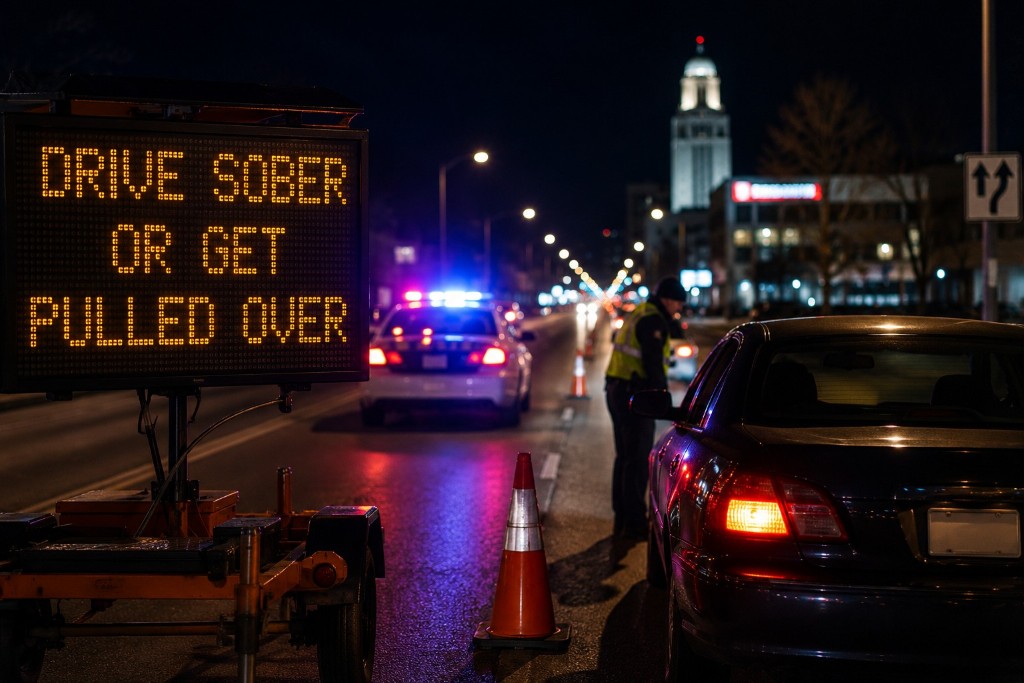
Does Football Season Really Make Downtown Lincoln More Dangerous for Drivers?
Yes, and the data backs it up. Nebraska football tailgate safety is a genuine public concern, not just a talking point. On Husker home game days, Lincoln transforms from a mid-sized college city into one of the most densely packed football environments in the country. Memorial Stadium holds over 85,000 fans, making it one of the largest stadiums in the United States. That crowd does not disperse quietly.
Game Day Crash Patterns
Drunk-driving crashes near UNL spike during two distinct windows on game days. The first window is the four- to six-hour period before kickoff, when tailgating and pre-game drinking are at their peak. The second and more dangerous window is the two to four hours after the game ends, when a large number of impaired drivers all attempt to leave the area at the same time.
Post-game congestion actually slows traffic enough to reduce the risk of high-speed crashes. Still, it dramatically increases the number of impaired drivers on roads like O Street, South 10th Street, and Cornhusker Highway. Fender-benders and intersection crashes involving alcohol rise noticeably after every home game.
Seasonal DUI Patterns Around the Football Schedule
Nebraska’s football season runs from early September through late November, overlapping with the most socially active months of the academic year. This creates a concentrated stretch of elevated seasonal DUI activity in Lincoln that our legal team there monitors closely.
The week following a big rivalry game, such as the annual matchup with Iowa, tends to show elevated crash reports as well. Celebratory or frustrated drinking after major games extends the risk window well beyond game day itself.
The Role of Out-of-Town Visitors
Home game weekends bring tens of thousands of out-of-town visitors to Lincoln who are unfamiliar with local roads. Unfamiliar streets combined with alcohol create a particularly dangerous combination. Visitors may not know which roads are one-way, where pedestrian crossings are heaviest, or how to navigate the post-game exit routes. Local drivers should plan extra time and extra caution on these weekends.
How Do Late-Night Bar Closing Times Affect DUI Crash Rates Near Campus?
Nebraska state law sets the last call at 2:00 AM for most licensed establishments. This single fact shapes nearly every late-night drunk driving accident UNL Lincoln pattern we see. When dozens of bars along O Street, 14th Street, and Haymarket close within the same 30-minute window, the result is a concentrated surge of impaired drivers entering the road at the same time.
The 2:00 AM Surge
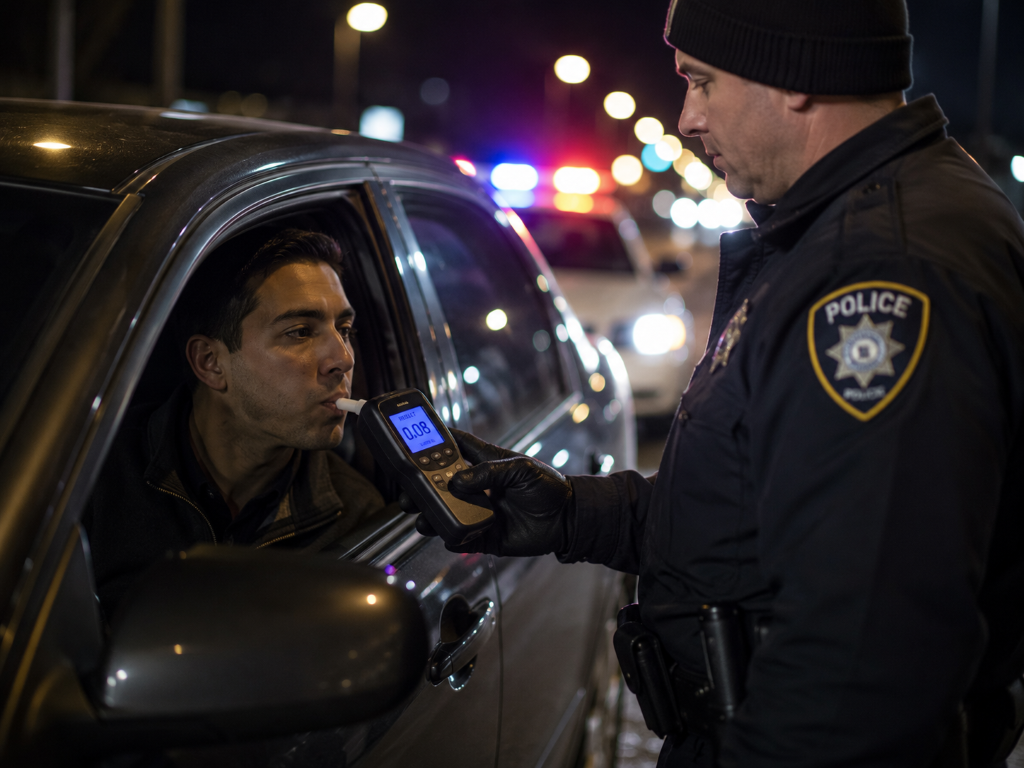
Traffic safety researchers call this the “closing time effect.” In Lincoln, it is especially pronounced because of the density of bars and restaurants near campus. Between 2:00 AM and 2:30 AM, law enforcement in Lincoln typically sees its highest concentration of DUI stops and alcohol-related crash reports for the entire week.
If you have any reason to be on Lincoln roads during this window, we strongly recommend extra vigilance. Use well-lit main roads, watch intersections carefully, and give yourself extra stopping distance from any vehicle that is drifting or moving erratically.
How Campus Events Extend the Risk Window
On nights when UNL hosts concerts, large campus events, or Greek life activities, the surge in closing times can start earlier or end later than usual. Events that end at 10:00 PM or 11:00 PM push some impaired drivers onto the road before the traditional late-night window. This means peak DUI hours in Lincoln are not perfectly fixed. They shift based on what is happening on and around campus.
We follow these patterns closely because they directly affect the cases we see. Knowing when events are scheduled helps predict when and where crashes are most likely to occur.
Pedestrian Risk Is Part of the Picture
Late-night DUI risk near UNL is not only a driver concern. Pedestrians walking home from bars or campus events face danger during peak hours. Many of Lincoln’s worst alcohol-involved crashes have been pedestrian incidents rather than vehicle-to-vehicle collisions. If you are walking near campus late at night, cross only at marked crosswalks and assume that not every driver can see you clearly.
Frequently Asked Questions
What time of night are drunk driving crashes most common near UNL Lincoln?
The highest-risk window for a drunk-driving accident near UNL runs from 11:00 PM to 3:00 AM, with the sharpest spike between 2:00 AM and 2:30 AM, when bars close. Friday and Saturday nights carry the greatest overall risk throughout the academic year.
Does the Nebraska football season increase DUI crash risk in Lincoln?
Yes. Home game days create two elevated-risk windows: the hours before kickoff during tailgating and the two to four hours after games end. Seasonal DUI patterns in Lincoln consistently show higher crash rates during the September through November football schedule.
What should I do if I were injured in a drunk driving accident near UNL?
Seek medical attention first, then document the scene if you are able. Contact law enforcement and preserve any evidence, including photos and witness information. We recommend speaking with a qualified attorney before accepting any settlement offer from an insurance company.